Course Introduction
Watch this video to checkout the details and the benefits you get from this training.

Start your career in SAP FICO
Our SAP FICO Training is designed to equip individuals and corporate professionals with comprehensive knowledge and practical skills in SAP Financial Accounting and Controlling (FICO). This course is a key step towards a successful career in finance and accounting within the SAP ecosystem.
You will learn to.
- Navigate the SAP FICO interface efficiently, enabling you to work seamlessly within the SAP ecosystem.
- Set up and configure SAP Financial Accounting (FI) modules, including General Ledger, Accounts Payable, and Accounts Receivable.
- Perform financial transactions in SAP, such as posting journal entries, managing invoices, and processing payments.
-
Master SAP Controlling (CO) functionality, including cost center accounting, internal orders, and profitability analysis.


Meet Your Instructor
Experience and Expertise: Over 15 years of experience in SAP FICO with strong expertise in Financial Accounting, Controlling, Asset Accounting, Banking, Product Costing, and Electronic Bank Statement (EBS) automation in SAP ECC environments.
Global Training Experience: Delivered practical SAP FICO training and knowledge transfer sessions, enabling teams to understand finance processes, banking automation, costing, and FI-CO integration through real-time business scenarios.
Corporate Clientele: Worked with CMM Level 5 organizations, supporting SAP ECC implementations, rollouts, enhancements, and production support across finance and controlling functions.
Certifications: SAP FICO Functional Expertise; Corporate SAP FICO Trainer.
Diverse Technical Skills: Proficient in SAP ECC FICO, APP, DME/DMEE, EBS, Lockbox, Asset Accounting, Product Costing, COPA, Internal Orders, SAP Query Reporting, FI validations, substitutions, and integration with SD/MM.
Training Methodology: Uses a hands-on, scenario-based approach focused on configuration, issue resolution, banking processes, costing, and real-world finance use cases.
Project Leadership: Led SAP FICO enhancement and support initiatives, handled critical finance and banking issues, managed testing and cutover activities, and delivered successful month-end and year-end support operations.
Course Curriculum
- Demo - Start your career in SAP FICO (56:11)
- Intro - Fundamentals of SAP FICO and Integration (35:27)
- Session Video - Initial Setup of Financial Accounting (52:29)
- Session Video - Defining Company and Credit Structures (64:50)
- Session Video - General Ledger Accounts and Postings (64:53)
- Session Video - Recording Entries and Managing Transactions (57:45)
- Session Video - Setting Up Accounts Payable Framework (66:33)
- Session Video - Vendor Data and Payment Conditions (58:01)
- Session Video - House Bank and Core Accounting Setup (63:34)
- Session Video - Bank Statements Processing and Lockbox Use (71:56)
- Session Video - Defining Tax Rules and Calculation Logic (57:20)
- Session Video - Asset Ledger and Depreciation Rules (41:04)
- Session Video - Asset Classes with Depreciation Methods (61:39)
- Session Video - Asset Lifecycle Transactions Handling (52:49)
- Session Video - Consolidated Review and Open Q&A (23:29)
- Session Video - Activating Features of New General Ledger (58:07)
- Session Video - Real-Time Posting and Splitting in Ledgers (45:33)
- Session Video - Review of Configurations and Key Insights (64:35)
- Session Video - Structuring Organization and Ledger Basics (53:51)
- Session Video - Fiscal Year Variants with Ledger Setup (60:35)
- Session Video - Advanced Ledger Functions and Reporting (56:42)
- Session Video - Posting Rules with Open Item Controls (56:52)
- Session Video - Extended Options in Ledger Management (31:47)
- Session Video - Creating Controlling Area and Cost Centres (38:05)
- Session Video - Defining Fiscal Year and Company Parameters (47:52)
- Session Video - Chart of Accounts with GL Master Records (27:08)
- Session Video - Defining Customer Groups and Data (40:05)
- Session Video - Vendor Groups and Data Maintenance (35:13)
- Session Video - Assigning Vendor Ranges and Payment Terms (28:08)
- Session Video - Configuring Automatic Payment Program (28:50)
- Session Video - Asset Structures and Depreciation Keys (21:25)
- Session Video - Document Lifecycle from Entry to Reports (28:02)
- Session Video - FBZP Settings for Outgoing Payments (22:35)
- Session Video - Running Automatic Payments via F110 (25:48)
- Session Video - Introduction to LSMW for Data Upload (41:49)
- Session Video - Recording and Executing LSMW Projects (23:21)
- Session Video - SAP Dunning Process and Execution Steps (64:29)
- Session Video - Product Cost Planning Concepts and Setup (60:06)
- Session Video - Basics of Profit Center Accounting (41:20)
- Session Video - Setting Up Controlling and Cost Elements (67:30)
- Session Video - Cost Centre Allocations and Activity Planning (52:55)
- Session Video - Configuring Profit Centre Transactions (55:02)
- Session Video - Profitability Analysis with Internal Orders (48:05)
- Session Video - SD Integration with FICO and Financial Statement Structuring (43:05)
- Session Video - Q&A (24:12)
- Session Video - Project Plan (62:14)
- Session Video - Organization Structure (127:15)
- Session Video - Financial Accounting Basics and Organization Structure (112:42)
- Session Video - Organization Structure (124:08)
- Session Video - GL Postings (122:01)
- Session Video - Park Doc, Recurring Doc, Translation (111:19)
- Session Video - Park Doc, GL Tolerances, Sort Key (93:06)
- Session Video - Foreign Currency Revaluation (120:44)
- Session Video - APP (108:40)
- Session Video - Intercompany Postings & Automatic Payment Program (73:45)
- Session Video - App Execution (120:21)
- Session Video - Check Payments (125:37)
- Session Video - Electronic Bank Transfer (108:12)
- Session Video - Cash Journal (104:36)
- Session Video - Integration of FI with MM Configuration (93:30)
- Session Video - Integration of FI with MM Postings (116:10)
- Session Video - Planned and Unplanned Delivered Costs - Scenarios (83:32)
- Session Video - Integration of FI with SD configuration (79:34)
- Session Video - Integration of FI with SD postings (Billing using CoPA) (71:26)
- Session Video - COPA with SD (77:40)
- Session Video - Product Costing (Part A) (90:37)
- Session Video - Product Costing (Part B) (58:35)
- Session Video - Internal Orders (97:40)
- Session Video - Period End Closing (83:04)
- Session Video - iDocs, Data Migration (104:35)
- Session Video - Mass Changes (76:40)
- Session Video - Integration (77:39)
- Session Video - Applying Delivery Cost (75:51)
- Session Video - EBS Scenarios (70:10)
- Session Video - Transporting of Tax codes and Payment method supplement (73:56)
- Session Video - Supplement Scenario and Blank Currency Config and Scenario (76:43)
- Session Video - Partial payment using F110 Config and Scenario (65:54)
- Session Video - Asset Accounting (101:40)
- Session Video - Withholding Tax (69:36)
- Session Video - Postings in Asset Accounting (74:54)
- Session Video - Transactions in Asset Accounting (106:35)
- Session Video - Retained Earning Account (62:50)
- Assessment - 1. Introduction to SAP R_3
- Assessment - 2. Financial Accounting Basic Settings
- Assessment - 3. General Ledger Accounting
- Assessment - 4. Accounts Payable
- Assessment - 5. Accounts Receivable
- Assessment - 6. Bank Accounting
- Assessment - 7. Data Migration
- Assessment - 8. Asset Accounting
- Assessment - 9. New General ledger Accounting
- Assessment - 10. Reports
- Assessment - 1. Integration of Financial Accounting with Materials Management
- Assessment - 2. Integration of Financial Accounting with Sales and Distribution
- Assessment - 3. Validations and Substitutions with Sets
- Assessment - 4. Sales Tax
- Assessment - 5. Year-End Closing and Month-End Closing
- Assessment - 6. Idocs
- Assessment - 7. ASAP Methodology
- Assessment - 8. Real-time Documentation
- Assignment - 1. Introduction to SAP R_3
- Assignment - 2. Financial Accounting Basic Settings
- Assignment - 3. General Ledger Accounting
- Assignment - 4. Accounts Payable
- Assignment - 5. Accounts Receivable
- Assignment - 6. Bank Accounting
- Assignment - 7. Data Migration
- Assignment - 8. Asset Accounting
- Assignment - 9. New General ledger Accounting
- Assignment - 10. Reports
- Assignment - 1. Integration of Financial Accounting with Materials Management
- Assignment - 2. Integration of Financial Accounting with Sales and Distribution
- Assignment - 3. Validations and Substitutions with Sets
- Assignment - 4. Sales Tax
- Assignment - 5. Year-End Closing and Month-End Closing
- Assignment - 6. Idocs
- Assignment - 7. ASAP Methodology
- Assignment - 8. Real-time Documentation
- Assessment - 1. Introduction to SAP R3
- Assessment - 2. Financial Accounting Basic Settings
- Assessment - 3. General Ledger Accounting
- Assessment - 4. Accounts Payable
- Assessment - 5. Accounts Receivable
- Assessment - 6. Bank Accounting Configuration in SAP FICO
- Assessment - 7. Configuration of Asset Management
- Assessment - 8. Period-End Activities
- Assessment - 9. New GL
- Assessment - 10. BDC
- Assessment - 11. LSMW
- Assessment - 12. FSV
- Assessment - 13. Controlling
- Assessment - 14. Cost Element Accounting
- Assessment - 15. Cost Center Accounting
- Assessment - 16. Internal Orders
- Assessment - 17. Profit Center Accounting
- Assessment - 18. Product Cost Planning
- Assessment - 19. Profitability analysis
- Assessment - 20. Integration of MM with FICO
- Assessment - 21. Integration of SD with FICO
- Assignment - 1. Introduction to SAP R3
- Assignment - 2. Financial Accounting Basic Settings
- Assignment - 3. General Ledger Accounting
- Assignment - 4. Accounts Payable
- Assignment - 5. Accounts Receivable
- Assignment - 6. Bank Accounting Configuration in SAP FICO
- Assignment - 7. Configuration of Asset Management
- Assignment - 8. Period-End Activities
- Assignment - 9. New GL
- Assignment - 10. BDC
- Assignment - 11. LSMW
- Assignment - 12. FSV
- Assignment - 13. Controlling
- Assignment - 14. Cost Element Accounting
- Assignment - 15. Cost Center Accounting
- Assignment - 16. Internal Orders
- Assignment - 17. Profit Center Accounting
- Assignment - 18. Product Cost Planning
- Assignment - 19. Profitability analysis
- Assignment - 20. Integration of MM with FICO
- Assignment - 21. Integration of SD with FICO
- 1. Advance Payments (Down Payments)
- 2. Assign Number Ranges to Customer Account Groups & Creation of Sales ac
- 3. Associate Sundry Debtors Ac with Advance from Customers AC
- 4. Check Customer Line Item Display
- 5. Check Party a/c
- 6. Check Party Account
- 7. Check the Customer Line Item Display
- 8. Creation of Customer Master Record
- 9. Creation of Sundry Debtors Ac
- 10. Define Dunning Procedures
- 11. Define Types and Number Ranges
- 12. Display Customer Line Items
- 13. Display the Line Items of Customer
- 14. Dunning
- 15. Execution of Dunning Program
- 16. Journal Entries In Accounts Receivables
- 17. Notes - Posting of Remaining Amount Received
- 18. Notes Items
- 19. Notes
- 20. Part Payments
- 21. Posting of Incoming Payment
- 22. Posting of Sales Invoice
- 23. Residual Payment Method
- 24. Sale Invoice Posting
- 25. Step 1 & Step 2
- 1. Advance Payment Posting
- 2. Advance Payments (Down Payments)
- 3. Assign Payment Method in Vendor Account
- 4. Automatic Payment Program
- 5. Check Party Ac
- 6. Check the Vendor Line item display
- 7. Correspondence Party Statement of Account
- 8. Creation of GL Ac – Bank Ac
- 9. Creation of Vendor Account Groups
- 10. Execution of Automatic Payment Program
- 11. House Banks
- 12. Manual Check Updation
- 13. Other Relevant Transaction Codes for Vendor Master Records
- 14. Accounts Payable - Part Payments
- 15. Posting of Purchase Invoice
- 16. Purchase Invoice Posting
- 17. Purchase Returns (Vendor Credit Memo
- 18. Residual Payment Method
- 19. Set Up All Company Codes for Payment Transactions
- 20. Spool
- 21. To See Checks To Execute the Printing Check
- 22. Tolerance Groups for Vendors
- 1. Assign Company Code to Chart of Accounts - T Code - OB62
- 2. Assign Company Code to Company OX16 and Define Business Area
- 3. Chart of Accounts
- 4. Creation of Company
- 5. Define Account Groups - TCode - OBD4 and Define Retained Earnings Account TCode OB53
- 6. Define Company Code
- 7. Defining Tolerance Group for GL Accounts, Employees and Assign Users to Tolerance Groups
- 8. Definition of Field Status Variant and Assign Company Code to Field Status Variant
- 9. Document Types and Number Ranges
- 10. Field Status Variant
- 11. Fiscal Year Variant
- 12. Global Parameters
- 13. Posting Period Variant
- 14. Tolerance Group of GL Accounts
- 1. Actual Overhead Assessment
- 2. Automatic Generation of Cost Elements, Create Batch Input Session, Execute batch input session_
- 3. Create Distribution Cycle
- 4. Creation of Assessment Cycle
- 5. Creation of Cost Center Groups, Posting of Transactions in FI – T. Code F-02
- 6. Creation of Cost Center Standard Hierarchy
- 7. Creation of Cost centers
- 8. Creation of Cost Element from CO
- 9. Creation of Cost Element from FI
- 10. Distribution of Overheads
- 11. Enter Statistical Key Figures
- 12. Execute Distribution Cycle, To see the values in the target cost centers after distribution. T. Code KSB1
- 13. Execution of Assessment Cycle
- 14. Maintain Controlling Area
- 15. Maintain Versions
- 16. Maintaining Number ranges for Controlling documents
- 17. Maintenance of Field Status Group for making Cost Center mandatory
- 18. Mass Maintenance of GL Account Master Records
- 19. Periodic Postings
- 20. Periodic Postings (2)
- 21. Periodic Postings (3)
- 22. Repost Costs (To repost multiple Documents)
- 23. Statistical Key Figures
- 24. To View the Documents in Controlling, To View Cost Center-Wise Reports, Repost Line Items (To repost one
- 25. Using The Statistical Key Figures in Assessment of Overheads
- 26. Using The Statistical Key Figures in Assessment of Overheads (2)
- 1. Accrual Deferral Documents (Step 1 and 2)
- 2. Accrual Deferral Documents (Step 3 and 6)
- 3. Assignment of Accounts for Automatic Postings
- 4. Assignment of Accounts for Automatic Postings (1)
- 5. Configuration for New General Ledger Accounting
- 6. Creation of Cash Account and Surplus in P&L Account
- 7. Creation of GL Master
- 8. Creation of Salaries Account
- 9. Creation of Term Loan Account
- 10. Define Interest Calculation Types (Step 1 and 2)
- 11. Calendar Types (Step 3 to 6)
- 12. Deletion of Parked Document
- 13. Display of Posted Document
- 14. Foreign Currency Postings (Step 1 and 2)
- 15. Foreign Currency Posting (Step 3 and 4)
- 16. Hold Documents
- 17. Interest Calculation
- 18. Parking of a Document
- 19. Post the documents by executing batch input and verify the term loan account balance
- 20. Posting Transactions
- 21. Procedure to assign default exchange rate type to document type T.CODE OBA7
- 22. Recurring Documents (Step 1 to 5)
- 23. Recurring Documents (Step 6 to 8)
- 24. Reversals
- 25. Sample Documents (Step 1 to 3)
- 26. Sample Documents (Step 4 to 6)
- 27. Term Loan Installment Payment
- 28. Term Loan Receipt - T.Code – F-02
- 1. Consolidated - Integration of FI-MM
- 2. Assign Purchase Organization to Company Code, Assign Purchase Organization to Plant,Creation of Plant Parameters
- 3. Assignment of Accounts for automatic postings (Integration)
- 4. Creating Material Master Record
- 5. Creation of GL account’s in FI
- 6. Creation of Goods Receipt
- 7. Creation of GRIR Clearing Account
- 8. Creation of Number Ranges
- 9. Creation of purchase order
- 10. Creation of Raw material consumption Account
- 11. Creation of Vendor Master Record
- 12. Define Create Plant
- 13. Define Create Storage location
- 14. Goods issue to Production
- 15. Invoice Verification
- 16. Maintain Plant Parameters for Invent
- 17. Maintain Posting Periods for Material Management, Valuation Grouping Code,Purchase Order Tolerance Group
- 18. Maintain Purchase Organization, Assignment of Plant to Company Code
- 19. Purchase Order Tolerance Group, GR Toler
- 20. Prerequisites 1 & 2
- 21. Prerequisites 3, 4 & 5
- 1. Consolidated - Internal Order Accounting
- 2. Change the New Field Status Group in Salaries AC and Rent ac T. Code FS00
- 3. Configuration for Real Internal Orders
- 4. Creation of field status group making cost enter and internal order mandatory
- 5. Creation of Field Status Group Making ‘Internal Order’ Mandatory
- 6. Creation of GL account
- 7. Creation of Internal Order Master Record. T. Code – KO01
- 8. Creation of Internal Order Master Records
- 9. Creation of Order Type. T. Code. KOT2_FUNCAREA
- 10. Creation of Order Types
- 11. Define Number Ranges for the Controlling Activity “KOAO” Actual Settlement
- 12. Display Cost Center Reports
- 13. Display the Internal Order Report
- 14. Execution of Settlement
- 15. Maintain Number Ranges for Settlement Documents
- 16. Maintain Settlement Profiles T. Code OKO7
- 17. Planning Internal Order Wise
- 18. Post the Transaction for “Salaries ac and Rent ac” in FI. T. Code F-02
- 19. Posting of Transactions in FI
- 20. Repost costs (reposting multiple documents in a cost center)
- 21. Repost line items (reposting one document)
- 22. To See Internal Order Wise Report
- 23. To See the Report T. Code – KOB1
- 1. Consolidated - Profit Center Accounting
- 2. Assignment of Profit Center in the Cost Center (For identification of expenses)
- 3. Choose Accounts for Balance Sheet, Creation of AC Groups for Planning
- 4. Creation of Dummy Profit Center
- 5. Creation of Profit Centers
- 6. Creation of Revenue Element for Sales, Maintain Automatic Account Assignment of - Copy
- 7. Maintain Plan Versions
- 8. Planning for Balance Sheet Items
- 9. Planning for P&L items
- 10. Post Transactions Covering P&L Items and BS Items, To View the Report Showing Plan Actual Variance Profit Center Wise, for BS
- 11. Set Controlling Area, Maintain Controlling Area Settings
- Lab Activity - Project Plan
- Lab Activity - Creating an Organization Structure
- Lab Activity - Financial Accounting Basics and Organization Structure
- Lab Activity - General Ledger (GL) Postings
- Lab Activity - Park Document, Recurring Document, and Translation
- Lab Activity - Park Document, GL Tolerances, and Sort Key
- Lab Activity - Foreign Currency Revaluation
- Lab Activity - Automatic Payment Program (APP)
- Lab Activity - Intercompany Postings & Automatic Payment
- Lab Activity - Automatic Payment Program (APP) Execution
- Lab Activity - Check Payments
- Lab Activity - Electronic Bank Transfer
- Lab Activity - Cash Journal
- Lab Activity - Integration of FI with MM Configuration
- Lab Activity - Integration of FI with MM Postings
- Lab Activity - Planned and Unplanned Delivered Costs – Scenarios
- Lab Activity - Integration of FI with SD Configuration
- Lab Activity - Integration of FI with SD Postings
- Lab Activity - COPA with SD
- Lab Activity - Product Costing
- Lab Activity - Internal Orders
- Lab Activity - Period End Closing
- Lab Activity - iDocs, Data Migration
- Lab Activity - Mass Changes
- Lab Activity - Integration
- Lab Activity - Applying Delivery Cost
- Lab Activity - EBS Scenarios
- Lab Activity - Transporting Tax Codes and Payment Method Supplements
- Lab Activity - Supplement Scenario and Blank Currency Configuration and Scenario
- Lab Activity - Asset Accounting
- Lab Activity - Withholding Tax Processing
- Lab Activity - Postings in Asset Accounting
- Lab Activity - Transactions in Asset Accounting
- Lab Activity - Retained Earnings Account
- Capstone Project - 1. Brownfield Implementation of SAP S4HANA Finance from ECC
- Capstone Project - 2. End-to-End Financial Accounting Process Configuration
- Capstone Project - 3. Global Rollout of Shared Services Center for Finance
- Capstone Project - 4. Implementation of SAP FICO for a Manufacturing Company
- Capstone Project - 5. SAP FICO Support and Upgrade Project

SAP Server Access Request
Reach out to us at support@zarantech.com if you need SAP server access after the course purchase
Got Questions?
Frequently Asked Questions
When does the course start and finish?
The course is entirely self-paced. You decide when you start and when you finish.
How long do I have access to the course?
That depends on the type of Subscription you bought - Monthly or Yearly. After enrolling, you have unlimited access to this course and materials across any devices you own.
What do I get after I signup?
After you signup and make the payment, you will have full access to the course which includes,
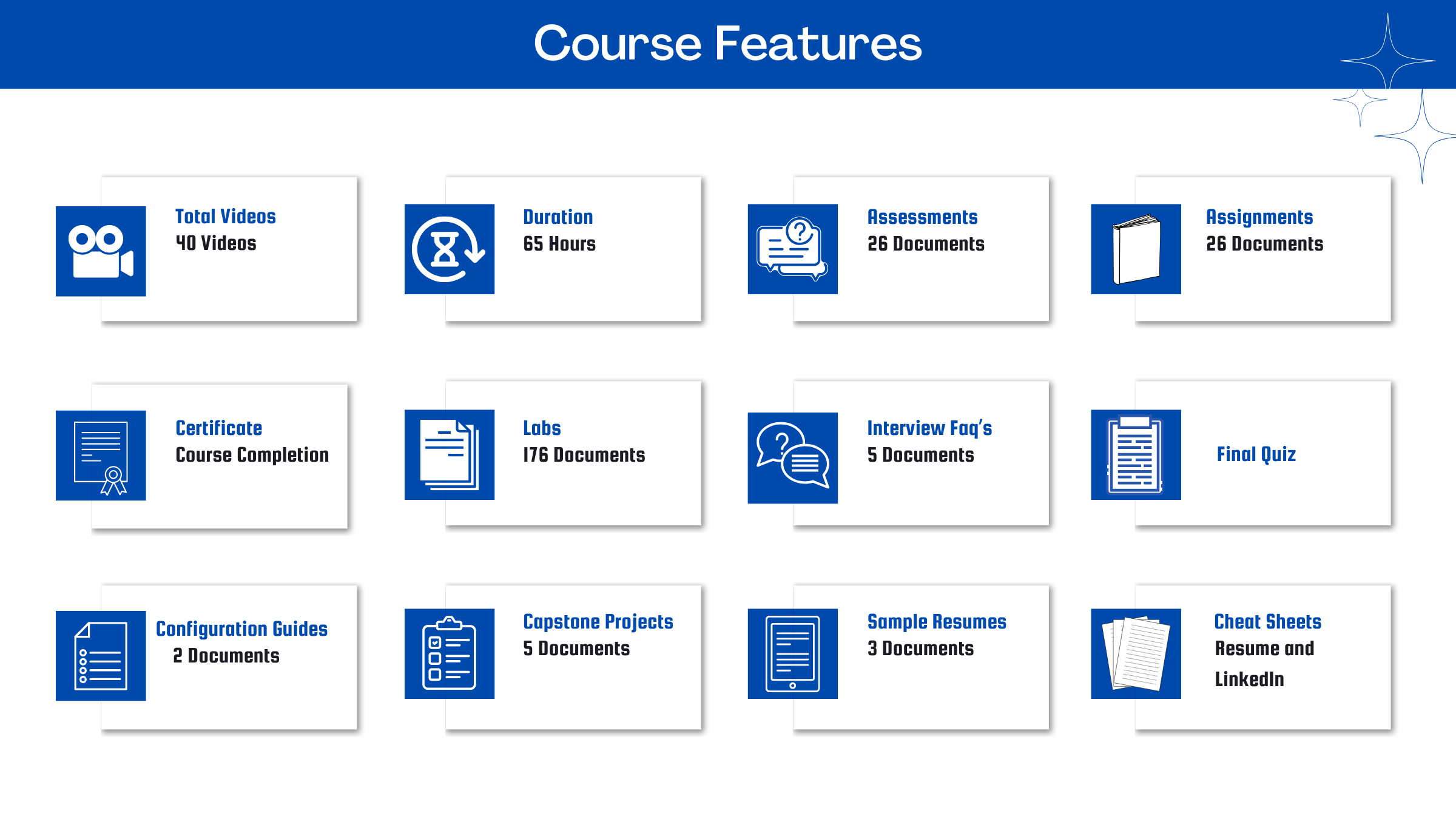
1. Session Videos (these videos are from actual live sessions from the past)
2. Assignments
3. Assessments
4. Lab documents
5. Other pdfs (configuration documents, eBooks, pdfs, interview and certification FAQs)
How do I get access to practice on the Server?
Reach out to your Support team and send an email to support@zarantech.com and they will send you the details and the monthly cost for the Server (if available)
Are the videos or materials downloadable?
No, they are not. But you have unlimited access to view them from any device and on this platform depending on your Subscription type. Everything on this platform is the intellectual property of ZaranTech
How soon after I enroll and make payment would get access to the course?
Immediately
What if I have doubts, whom do I ask?
These are pre-recorded videos from the actual Live Training program. Most of the doubts were cleared in the session videos itself. But if you still have any questions, please raise a ticket, and our support team will help you https://zarantech.zohodesk.in/portal/en/newticket
What if I have an issue accessing the course?
You can Raise a ticket by clicking the link below and selecting the appropriate ticket - https://zarantech.zohodesk.in/portal/en/newticket
How will I get my course completion certificate?
Once you have successfully completed the training and the Final Quiz/Assessment, you can avail of your
Certificate of Completion from ZaranTech which you can then showcase on LinkedIn and other Social Media portals
Do you provide Instructor-led Live training for Individuals?
Yes, we do. Email us at info@zarantech.com and we will send you all the details
How we deliver Live training (video) - https://bit.ly/How-we-deliver-training
Do you provide Corporate/group training?
Yes, we do. We have trained more than 200 SAP customers with over 4000 participants in the USA, Canada, Europe, Asia, and South America. We offer corporate training for all SAP modules.
Course Catalog - https://bit.ly/SAP-course-catalog
How we Deliver Corporate Training (video) - https://bit.ly/sap-corp-training
How do I get certified in SAP?
SAP certification (https://training.sap.com/certification/) validates that you possess fundamental knowledge and verified skills.
List of Valid and soon to Expire SAP certifications - https://training.sap.com/certification/validity
What if I am unhappy with the course?
We would never want you to be unhappy! If you are unsatisfied with your purchase, contact us in the first 7 days and we will give you a full refund.
What is your Refund Policy and Terms of Use?
To know more about canceling the enrollment, refund, and rescheduling policy, visit:
Refund and Rescheduling Policy – https://www.zarantech.com/Refund-policy/
Terms of Service – https://www.zarantech.com/terms-of-use/
What other Resources do you provide?
YouTube (Free Videos) - https://www.youtube.com/@zarantechdotcom
LinkedIn (Free materials) - https://www.linkedin.com/showcase/sap-learner-community/
Quora (Ask any Questions) - https://saplearnercommunity.quora.com/
SAP Corporate Course Catalog - https://bit.ly/SAP-course-catalog
What other official Resources from SAP?
Official SAP Training -https://training.sap.com/
Official SAP Certification Programs - https://training.sap.com/certification/
OpenSAP (Open Online Courses (MOOCs) for SAP learning) - https://open.sap.com/